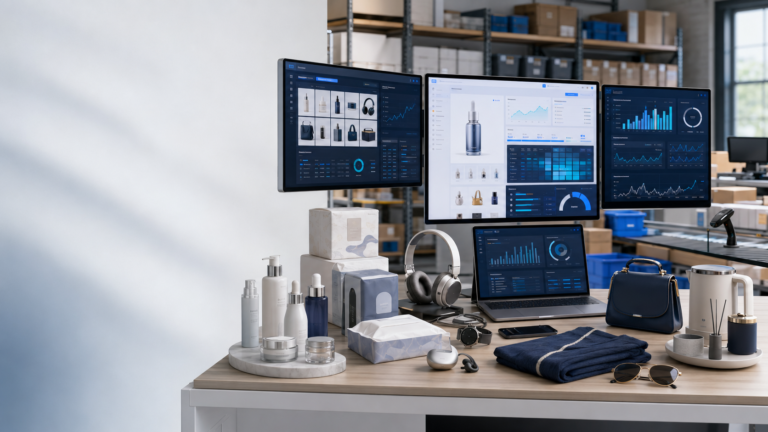

China continues to be the world’s leading manufacturing hub, supplying millions of products to ecommerce businesses across Amazon, Walmart, Shopify, and retail stores worldwide.
While sourcing from China offers significant opportunities for lower production costs and scalable manufacturing, it also presents challenges. Choosing the wrong supplier, overlooking quality control, or mismanaging logistics can lead to delays, increased costs, and unhappy customers.
Whether you’re launching your first private label product or expanding an existing brand, understanding the sourcing process is essential for building a successful ecommerce business.
In this guide, we’ll walk through the key steps to sourcing products from China safely, efficiently, and profitably.
Why China Remains the Global Manufacturing Leader
China offers one of the most mature manufacturing ecosystems in the world.
Brands choose Chinese manufacturers because of:
- Competitive production costs
- Large manufacturing capacity
- Skilled labor
- Advanced production technology
- Wide product selection
- Flexible order quantities
- Established export infrastructure
- Efficient global logistics
For ecommerce businesses, these advantages create opportunities to build scalable and profitable brands.
Step 1: Start with Product Research
Before contacting suppliers, validate your product idea.
Research should include:
- Market demand
- Competition
- Profit margins
- Customer reviews
- Seasonal trends
- Manufacturing complexity
- Shipping costs
- Compliance requirements
The best products solve real customer problems while offering healthy profit margins.
Step 2: Find Reliable Suppliers
Not every supplier offers the same level of quality or reliability.
Look for manufacturers with:
- Verified business licenses
- Export experience
- Factory certifications
- Positive customer history
- Transparent communication
- Stable production capacity
Always request company documentation before placing an order.
Step 3: Request Product Samples
Never place a large production order without reviewing samples.
Evaluate samples based on:
- Material quality
- Product functionality
- Packaging
- Durability
- Branding opportunities
- Compliance requirements
- Manufacturing consistency
Testing samples helps prevent expensive mistakes later.
Step 4: Negotiate Pricing and Terms
Professional negotiation involves much more than asking for lower prices.
Discuss:
- Minimum Order Quantity (MOQ)
- Unit pricing
- Payment terms
- Production timeline
- Packaging options
- Branding requirements
- Warranty policies
- Shipping responsibilities
A clear agreement reduces misunderstandings throughout production.
Step 5: Perform Quality Control
Quality control should occur before products leave the factory.
Professional inspections verify:
- Product specifications
- Packaging quality
- Label accuracy
- Quantity verification
- Functionality testing
- Compliance standards
- Defect rates
Early inspections are far less expensive than dealing with returns and negative reviews.
Step 6: Plan International Logistics
Shipping is a critical part of the sourcing process.
Common transportation methods include:
Air Freight
Best for:
- Small shipments
- Fast delivery
- Product launches
Sea Freight
Ideal for:
- Large inventory orders
- Lower shipping costs
- Bulk products
Express Courier
Suitable for:
- Samples
- Urgent shipments
- Small packages
Choosing the right logistics solution balances cost, speed, and inventory needs.
Step 7: Prepare for Customs and Compliance
International shipping requires proper documentation.
Typical requirements include:
- Commercial Invoice
- Packing List
- Bill of Lading
- Country of Origin
- Product Certifications
- Customs Documentation
Working with experienced logistics partners helps avoid unnecessary delays.
Step 8: Protect Your Brand
Before manufacturing begins, protect your intellectual property.
Consider:
- Trademark registration
- Brand Registry
- Confidentiality agreements
- Product packaging ownership
- Design protection
Strong brand protection safeguards your long-term investment.
Common Mistakes to Avoid
Many businesses encounter challenges because they:
- Choose suppliers based only on price.
- Skip product inspections.
- Ignore logistics planning.
- Underestimate shipping costs.
- Fail to verify manufacturers.
- Neglect product compliance.
- Place large orders too early.
- Lack a long-term sourcing strategy.
Avoiding these mistakes saves time, money, and reputation.
Why Work with MDR Commerce
Successful sourcing requires more than finding a factory—it requires managing the entire supply chain.
At MDR Commerce, we help businesses:
- Identify qualified manufacturers
- Verify suppliers
- Negotiate pricing
- Manage production
- Conduct quality inspections
- Coordinate logistics
- Prepare marketplace launches
- Build private label brands
Our experience with Chinese suppliers and international commerce enables businesses to source products with confidence while reducing operational risks.
Final Thoughts
Product sourcing is the foundation of every successful ecommerce business.
Reliable suppliers, strong quality control, efficient logistics, and strategic planning create competitive advantages that support long-term growth.
Whether you’re sourcing your first product or expanding an international supply chain, having the right sourcing partner can significantly improve your chances of success.
Frequently Asked Questions
Is China still the best country for product sourcing?
Yes. China remains one of the world’s leading manufacturing hubs due to its production capacity, supplier network, and export infrastructure.
How can I verify a supplier?
Request business licenses, certifications, factory information, references, and product samples before placing production orders.
What shipping method is best?
Air freight is faster for urgent shipments, while sea freight is generally more cost-effective for larger orders.
Can MDR Commerce manage the sourcing process?
Yes. We provide end-to-end sourcing support, including supplier selection, quality control, logistics coordination, and marketplace launch consulting.